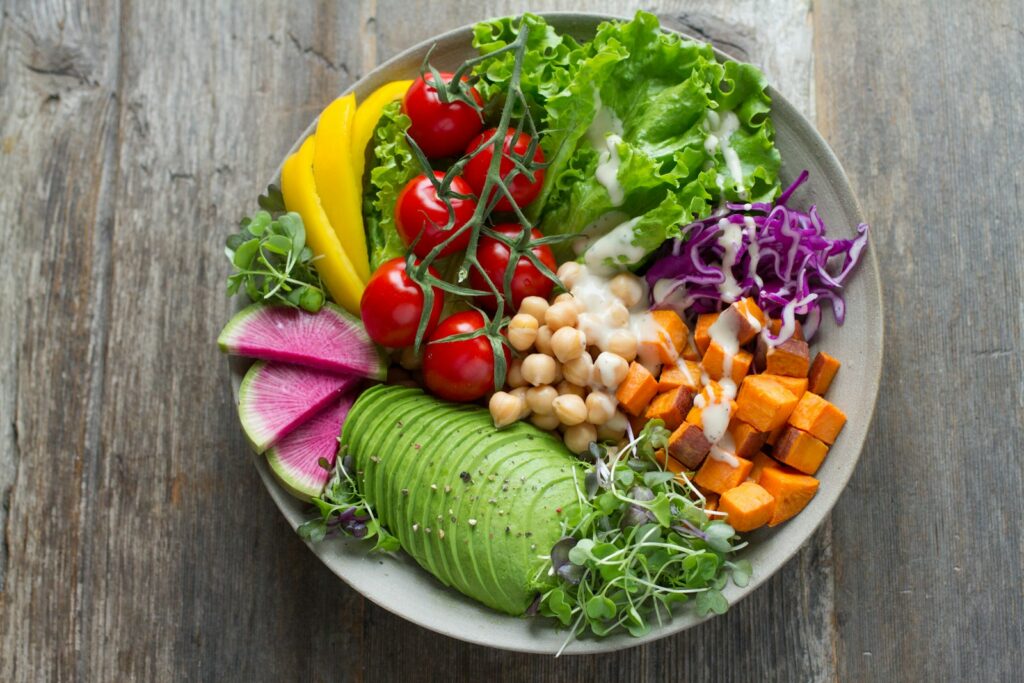
With every new year comes weight loss and dieting resolutions galore. Before you dive in, the most important question to ask your self is: What is a healthy diet?
A healthy diet provides your body with nutrients it needs to function optimally while supporting long-term health and well-being. It’s balanced, varied, and sustainable. Below are the 10 essential components of a truly healthy diet:
1. Nutrient Density
Prioritize foods rich in vitamins, minerals, and other protective nutrients. Foods such as vegetables, fruits, whole grains, lean proteins, and healthy fats.
Limit empty-calorie foods (high in calories but low in nutrients), like sugary snacks and beverages.
2. Variety
Include a wide range of foods from all food groups to ensure you’re getting a diverse array of nutrients.
Rotate foods to avoid nutrient gaps and build a well-rounded diet.
Drink enough water throughout the day to support digestion, metabolism, and overall health.
Limit sugary drinks and excessive caffeine or alcohol.
8. Customization to Individual Needs
Tailor your diet to personal health conditions, activity levels, cultural preferences, and dietary restrictions (e.g., gluten-free, low-FODMAP).
9. Sustainability and Enjoyment
A healthy diet should be enjoyable and practical to maintain over time.
Allow room for occasional indulgences without guilt to promote balance and long-term adherence.
10. Mindful Eating and Lifestyle Integration
Practice mindful eating to fully experience meals and understand your body’s needs.
Combine a healthy diet with regular physical activity, stress management, and adequate sleep.
Ready to Create Your Balanced Diet?
A healthy diet nourishes both the body and mind, reduces the risk of chronic diseases, and supports a vibrant lifestyle. It’s about balance—not perfection—and finding a pattern of eating that works for you.
If you’d like help creating your own personalized nutrition plan, don’t hesitate to reach out. Schedule a consultation with me today and let’s build a diet that fits your goals, preferences, and busy schedule.
Start your journey to better health today!
Eating well doesn’t have to be overwhelming. Our meal planning, recipe development, and nutrition counseling services are here to help you craft a plan that’s simple, sustainable, and tailored to your unique lifestyle. Click here to schedule your consultation and discover how small changes can lead to big results. Let’s make healthy eating easy and enjoyable for you and your family.